
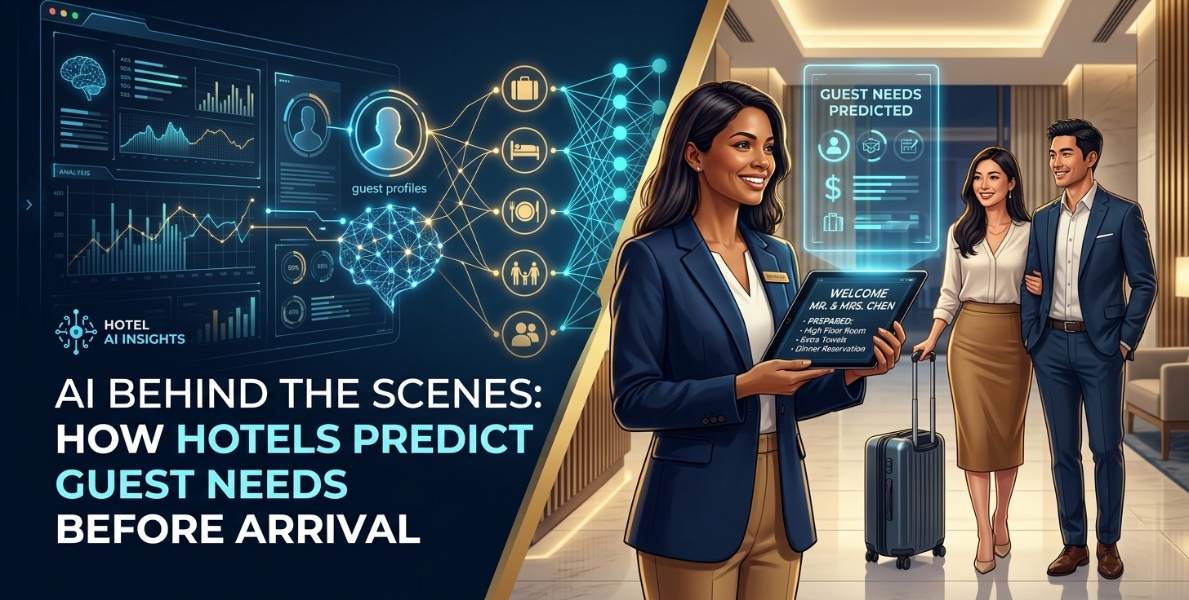
Hotels are increasingly using AI and data analytics to predict guest needs before arrival. By analyzing booking patterns and customer feedback, they gain insights into guest behavior. This enables hotels to personalize experiences, automate routine tasks, and optimize operational efficiency. For those looking to enter this evolving field, an international hotel management course provides the foundational knowledge needed to navigate these technological shifts. Predictive technology allows for tailored service recommendations and anticipates individual preferences. Through these advancements, hotels enhance guest satisfaction and foster loyalty.
The Role of Data Analytics in Guest Experience
As hotels increasingly embrace technology, data analytics emerges as a crucial element in enhancing the guest experience. By collecting and analyzing data from various sources, including booking patterns, customer preferences, and feedback, hotels can gain insights into guest behavior. This information allows them to enhance operations, streamline check-in processes, and improve service delivery.
For instance, hotels can identify peak times for requests and allocate staff accordingly, ensuring that guest needs are met promptly. Additionally, data analytics aids in inventory management, enabling hotels to maintain ideal stock levels for amenities and services. Ultimately, leveraging data analytics empowers hotels to create a more efficient and satisfying experience, fostering guest loyalty and encouraging repeat visits.
Personalization Through Predictive Technology
While many industries are harnessing the power of predictive technology, the hotel sector stands out for its ability to create personalized experiences for guests. By analyzing data from previous stays, preferences, and even social media interactions, hotels can anticipate individual guest needs and tailor services accordingly.
Professionals trained through a front office management course in Kolkata are often at the forefront of implementing these proactive approaches, recommending amenities, room preferences, and dining options that resonate with guests' tastes. For instance, if a guest frequently orders a specific type of cuisine, hotels can pre-arrange a reservation at the on-site restaurant.
Such personalized touches not only enhance guest satisfaction but also foster loyalty, as visitors feel valued and understood. Ultimately, predictive technology transforms standard hospitality into memorable, tailored experiences that keep guests returning.
Enhancing Operational Efficiency With AI
Artificial intelligence is revolutionizing operational efficiency in the hotel industry by automating routine tasks and streamlining processes. Hotels are implementing AI-driven solutions for tasks such as inventory management, staff scheduling, and maintenance requests.
By analyzing data in real-time, AI systems optimize resource allocation, ensuring that staff are deployed where they are most needed. This not only reduces operational costs but also enhances service quality. Students pursuing a diploma in hotel management in Guwahati learn how these efficiencies are vital for modern property management.
In addition, AI-powered chatbots handle guest inquiries and reservations, freeing up front desk staff for more complex interactions. Predictive analytics assist in forecasting demand, enabling hotels to adjust staffing and inventory proactively. Overall, AI technologies lead to a more agile, responsive, and efficient operational framework.
Frequently Asked Questions
How Do Hotels Collect Data on Guest Preferences?
Hotels collect data on guest preferences through various methods, including loyalty programs, surveys, and social media interactions. They analyze booking patterns, previous stays, and special requests to create detailed guest profiles.
What Types of AI Technologies Are Commonly Used in Hotels?
Hotels commonly utilize several AI technologies to enhance guest experiences and streamline operations. Machine learning algorithms analyze customer data, natural language processing powers chatbots, and predictive analytics optimize pricing and demand forecasting.
Are There Privacy Concerns With AI in Hotels?
Privacy concerns have become increasingly important as hotels collect and analyze guest data. Ensuring transparency, data protection, and secure systems is essential to maintaining customer trust and loyalty.
How Does AI Impact Hotel Staff Roles and Responsibilities?
AI transforms hotel staff roles by automating routine tasks, allowing employees to focus more on personalized guest interactions and service excellence. It also requires staff to adapt to new technologies and data-driven decision-making.
Can AI Improve Sustainability Efforts in the Hotel Industry?
AI can significantly enhance sustainability by optimizing energy consumption, reducing waste, and improving resource management. This helps hotels lower their environmental impact while maintaining operational efficiency.