
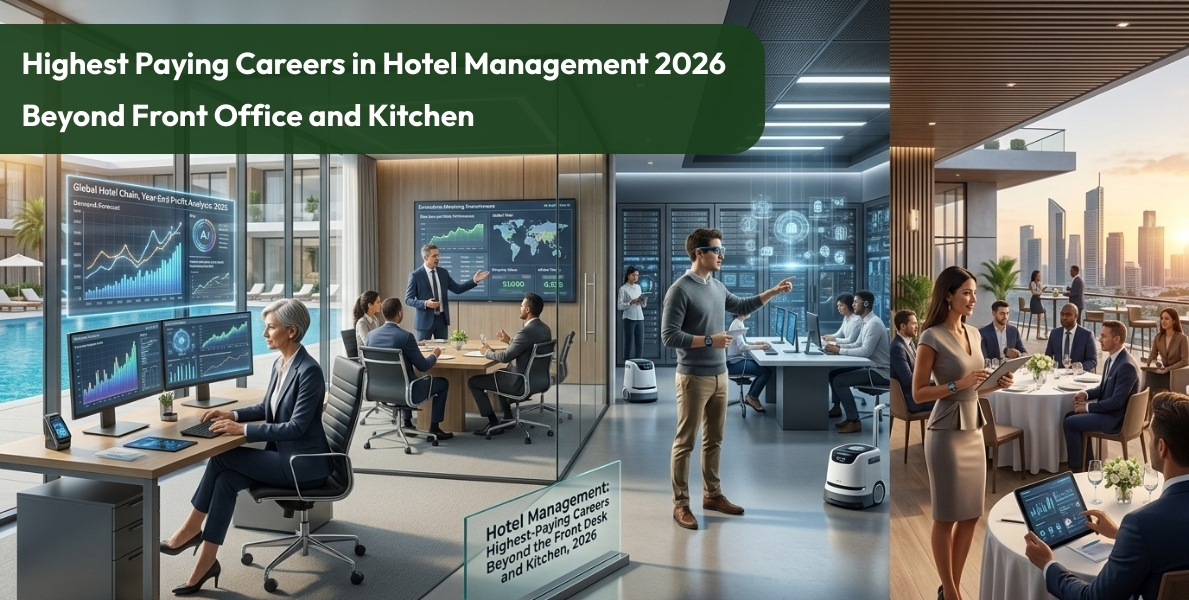
In 2026, the highest-paying careers in hotel management will expand beyond traditional roles. Sustainability managers will lead eco-friendly initiatives, while technology integration specialists will enhance guest interactions. Revenue Management Analysts will focus on profitability through data-driven pricing strategies. Brand Experience Directors will craft unique guest journeys, and Data Analysts will provide actionable insights to optimize operations. These roles indicate a shift towards innovation and sustainability in hospitality, showcasing lucrative opportunities worth exploring further.
The Rise of Sustainability Managers in Hospitality
How has the role of sustainability managers transformed the hospitality industry? The emergence of sustainability managers has greatly reshaped practices within hotels and resorts. These professionals are tasked with implementing eco-friendly initiatives that minimize environmental impact while enhancing operational efficiency. By focusing on waste reduction, energy conservation, and sustainable sourcing, sustainability managers help hospitality businesses not only comply with regulations but also appeal to the growing segment of eco-conscious travelers. Many professionals entering this space start by building a strong foundation through a front office management course to understand the core pillars of guest service before specializing in green operations. They drive innovation in areas such as water management and renewable energy usage, fostering a culture of sustainability throughout the organization. This transformation not only improves a hotel's reputation but also contributes to long-term profitability, as guests increasingly prioritize responsible travel choices. Ultimately, sustainability managers play an essential role in shaping a greener future for the hospitality industry.
Technology Integration Specialists: Shaping the Future of Guest Experience
As the hospitality industry embraces sustainability, another key role is emerging that greatly enhances the guest experience: technology integration specialists. These professionals are instrumental in integrating advanced technologies into hotel operations, ensuring seamless interactions for guests. From implementing smart room controls to optimizing mobile check-in processes, their expertise is crucial in creating a modern and efficient environment. To reach these high-level technical roles, students often seek the best colleges for hospitality management in guwahati to acquire the diverse skill sets required to manage complex systems in a luxury setting. They analyze guest feedback and industry trends to introduce innovative solutions that elevate service standards. Additionally, technology integration specialists collaborate with IT teams and vendors to maintain system integrity, ensuring that all technological aspects function harmoniously. Their contributions not only streamline operations but also play a significant role in enhancing guest satisfaction, making them invaluable assets in the ever-evolving landscape of hotel management.
Revenue Management Analysts: Maximizing Profitability
Revenue management analysts play a pivotal role in enhancing a hotel's financial performance by strategically analyzing market trends and pricing data. They utilize advanced analytics to forecast demand, assess competitors, and determine ideal pricing strategies. By employing dynamic pricing models, these analysts guarantee that room rates are adjusted in real-time to align with market conditions and maximize revenue. Their insights help hotels identify peak seasons and underperforming periods, enabling management to implement targeted promotions and discounts. While these analysts focus on the numbers, they often work alongside executive chefs who have mastered a culinary arts course in kolkata to align fine dining revenue with room night stays. Additionally, revenue management analysts collaborate closely with sales and marketing teams to enhance distribution strategies across various channels. Ultimately, their expertise not only drives profitability but also contributes to a hotel's long-term sustainability in an increasingly competitive landscape.
Brand Experience Directors: Crafting Unique Guest Journeys
Brand experience directors serve as the architects of memorable guest journeys within the hospitality industry. Their primary responsibility involves designing and implementing strategies that create cohesive, engaging experiences from the moment a guest arrives until their departure. These professionals collaborate with various departments, ensuring that every touchpoint aligns with the brand’s vision and values. By understanding guests' preferences and expectations, brand experience directors craft personalized itineraries that enhance satisfaction and loyalty. They also focus on integrating technology and innovative service elements, enabling a seamless blend of tradition and modernity. As the hospitality landscape evolves, these directors play an essential role in differentiating brands, ultimately driving revenue and establishing lasting relationships with guests.
Data Analysts: Leveraging Insights for Strategic Decision Making
In the competitive landscape of hotel management, data analysts play a pivotal role in shaping strategic decisions that can greatly impact a property's success. By harnessing data from various sources, including guest feedback, market trends, and operational performance, these professionals provide actionable insights that drive performance improvements. They analyze booking patterns, customer preferences, and revenue management strategies, enabling hotels to optimize pricing and enhance guest experiences. As technology evolves, data analysts are increasingly utilizing advanced analytics and machine learning to forecast trends and identify new opportunities. This growing demand for data-driven decision-making positions data analysts as essential contributors to hotel management, making their roles one of the highest-paying careers in the industry by 2026.
Frequently Asked Questions
What Qualifications Are Needed for a Career in Hotel Management?
To pursue a career in hotel management, individuals typically require a bachelor's degree in hospitality management, business administration, or a related field. Practical experience through internships or entry-level positions is also essential for gaining industry insights. Certifications, such as those from the American Hotel and Lodging Educational Institute, can enhance qualifications. Strong leadership, communication, and organizational skills are vital for success in this dynamic and customer-focused industry. Networking plays a significant role in career advancement.
How Can I Transition From Front Office to Management Roles?
To shift from front office roles to management positions, one must develop a thorough understanding of hotel operations. Gaining experience in various departments, such as housekeeping and sales, can enhance managerial skills. Networking with industry professionals and seeking mentorship is essential. Pursuing relevant certifications or advanced degrees in hospitality management may also provide a competitive edge. Demonstrating leadership qualities and effective communication will further position an individual for advancement within the hotel management hierarchy.
What Are the Average Salaries for These Careers in 2026?
The average salaries for various careers in hotel management in 2026 are expected to reflect industry growth and demand for skilled professionals. Positions such as hotel general manager and revenue manager may see average salaries ranging from $80,000 to $120,000 annually. Specialized roles, like event planning director and operations manager, could offer salaries between $75,000 and $100,000. These figures indicate a promising future for those pursuing higher-level positions within the hospitality sector.
Is Experience in Hospitality Required for These Positions?
Experience in hospitality is often considered essential for many roles within the industry. Employers typically seek candidates with a solid background in hospitality to guarantee they possess the necessary skills and understanding of operational dynamics. However, some positions may allow for transferable skills from related fields. Ultimately, while experience enhances a candidate's profile, certain roles may offer opportunities for individuals willing to learn and adapt, even without a traditional hospitality background.
What Skills Are Essential for Success in Hotel Management Careers?
Essential skills for success in hotel management careers include strong leadership, effective communication, and exceptional customer service. Proficiency in financial management and marketing strategies is also essential, as it allows professionals to maximize profitability and enhance guest experiences. Adaptability and problem-solving abilities are important in addressing unexpected challenges, while knowledge of technology and industry trends helps maintain competitiveness. A blend of these skills equips individuals to excel in various roles within the hospitality sector.