
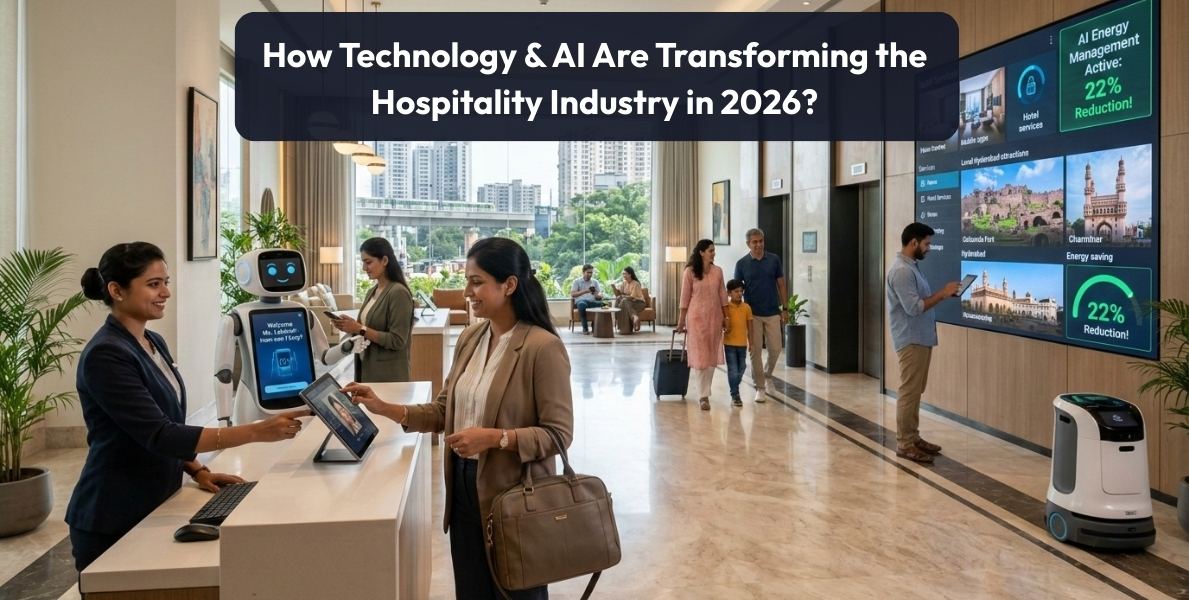
In 2026 technology and AI are reshaping the hospitality industry by delivering personalized guest experiences and optimizing operational efficiency. AI analyzes preferences to tailor services while smart room technologies empower guests with control over their environment. Chatbots provide instant support and data analytics enhance decision making by predicting demand. Additionally sustainability initiatives are driven by advanced tech ensuring efficient energy use and waste reduction. For professionals looking to lead this digital shift pursuing hospitality management in india provides the foundational knowledge needed to navigate these trends. Discover how these advancements are evolving the hospitality landscape further.
Personalized Guest Experiences Through AI
As the hospitality industry increasingly embraces technological advancements personalized guest experiences are becoming more attainable through artificial intelligence. Hotels and resorts are leveraging AI to analyze guest data preferences and behaviors enabling tailored services that enhance satisfaction. For instance chatbots provide instant responses to inquiries while recommendation systems suggest personalized activities and dining options based on individual tastes. Additionally AI driven analytics can predict peak times for amenities optimizing staffing and resource allocation. By creating a more individualized experience establishments foster loyalty and encourage repeat visits. This shift towards personalization not only elevates the guest experience but also promotes operational efficiency allowing hospitality providers to connect with their clientele on a deeper level ultimately driving business success in an increasingly competitive market.
The Rise of Smart Room Technologies
With the rapid advancement of technology smart room technologies are transforming the hospitality landscape by offering guests unprecedented control and convenience during their stay. These innovations encompass various features including automated lighting temperature control and entertainment systems all easily managed through mobile devices or voice commands. Hotels are increasingly incorporating Internet of Things devices enabling seamless connectivity and personalization tailored to individual preferences.
Additionally energy efficiency is enhanced as smart systems adjust settings based on occupancy and usage patterns. Students enrolled in a front office management course in kolkata are now being trained to manage these tech enabled environments ensuring that the digital check in and room control experience is smooth for every visitor. As guests become accustomed to these conveniences the demand for smart room technologies continues to rise prompting hotels to invest in cutting edge solutions that elevate the overall guest experience.
Chatbots and Virtual Assistants in Customer Service
While the hospitality industry continually seeks to enhance customer service chatbots and virtual assistants have emerged as pivotal tools for streamlining communication and improving guest interactions. These AI driven technologies provide 24/7 support answering queries and assisting with bookings in real time. Guests can access information about amenities local attractions or dining options without waiting for human staff thereby enhancing overall satisfaction. Additionally chatbots can manage routine tasks freeing up employees to focus on more complex customer needs. Virtual assistants also personalize guest experiences by recalling preferences and past interactions fostering a sense of familiarity. As technology evolves the integration of these tools is expected to deepen ensuring a more efficient and engaging hospitality experience for all.
Data Analytics for Enhanced Decision Making
Harnessing data analytics has become essential for the hospitality industry to make informed decisions that drive operational efficiency and enhance guest experiences. By analyzing customer data hotels and restaurants can gain insights into preferences booking patterns and spending habits allowing for more tailored services. Predictive analytics enable establishments to forecast demand optimizing staffing and inventory management thereby reducing costs and improving service levels. This analytical approach is becoming a staple in regional travel hubs where specialized tourism courses in guwahati are preparing the next generation to use data for promoting local destinations and managing high season influxes effectively. In addition real time data monitoring helps identify trends and potential issues facilitating swift corrective actions and allowing hospitality operators to stay competitive in an increasingly dynamic market.
Sustainability and Efficiency in Operations
As the hospitality industry faces increasing pressure to adopt sustainable practices the integration of efficiency in operations has become a pivotal focus. Hotels and restaurants are leveraging advanced technology and artificial intelligence to streamline their processes reduce waste and minimize energy consumption. Smart systems analyze operational data enabling businesses to optimize resource allocation and improve service delivery. For instance AI driven energy management systems adjust heating lighting and cooling in real time based on occupancy thereby lowering carbon footprints. Additionally sustainable sourcing and waste reduction initiatives are supported by technology that tracks inventory and predicts demand. This dual approach not only enhances operational efficiency but also aligns with consumer expectations for environmentally responsible practices ultimately fostering a greener hospitality sector.
Frequently Asked Questions
What Are the Security Risks of Using AI in Hotels?
The security risks of using AI in hotels include data breaches where sensitive customer information may be compromised. Additionally AI systems can be vulnerable to hacking potentially leading to unauthorized access to hotel operations. Misuse of AI driven surveillance technologies could infringe on guest privacy. Furthermore reliance on AI for critical functions raises concerns about system malfunctions which may disrupt services and jeopardize guest safety emphasizing the need for robust security measures.
How Can Small Hotels Implement AI Technology Affordably?
Small hotels can implement AI technology affordably by adopting cloud based solutions that require minimal upfront investment. They can utilize AI driven chatbots for customer service streamline booking processes with automated systems and leverage data analytics for personalized marketing. Collaborating with technology providers offering scalable packages can also help mitigate costs. By prioritizing essential AI applications that enhance guest experiences small hotels can improve operational efficiency without straining their budgets.
What Role Will Virtual Reality Play in Hospitality by 2026?
By 2026 virtual reality is expected to play a significant role in the hospitality industry enhancing guest experiences through immersive simulations. Hotels may offer virtual tours of their facilities allowing potential guests to explore rooms and amenities before booking. Additionally VR could be utilized for training staff providing realistic scenarios for improved customer service. Overall virtual reality is anticipated to create innovative marketing strategies and elevate guest engagement within the hospitality sector.
How Do Customers Feel About AI in Their Hospitality Experiences?
Customers exhibit mixed feelings about AI in their hospitality experiences. While some appreciate the efficiency and personalized service AI can provide others express concerns about the loss of human interaction and empathy. Many value the convenience of AI driven solutions such as chatbots for booking or inquiries but fear that over reliance on technology may diminish the warmth typically associated with hospitality. Overall the acceptance of AI largely depends on individual preferences and expectations.
How Will AI Impact Employment in the Hospitality Industry?
The impact of AI on employment in the hospitality industry is multifaceted. While automation may lead to the reduction of certain low skilled positions it simultaneously creates opportunities for roles that require advanced technical skills and customer service expertise. AI can enhance operational efficiency allowing employees to focus on more complex tasks. Overall the industry may experience a shift in the nature of jobs emphasizing the need for continual learning and adaptability among workers.