
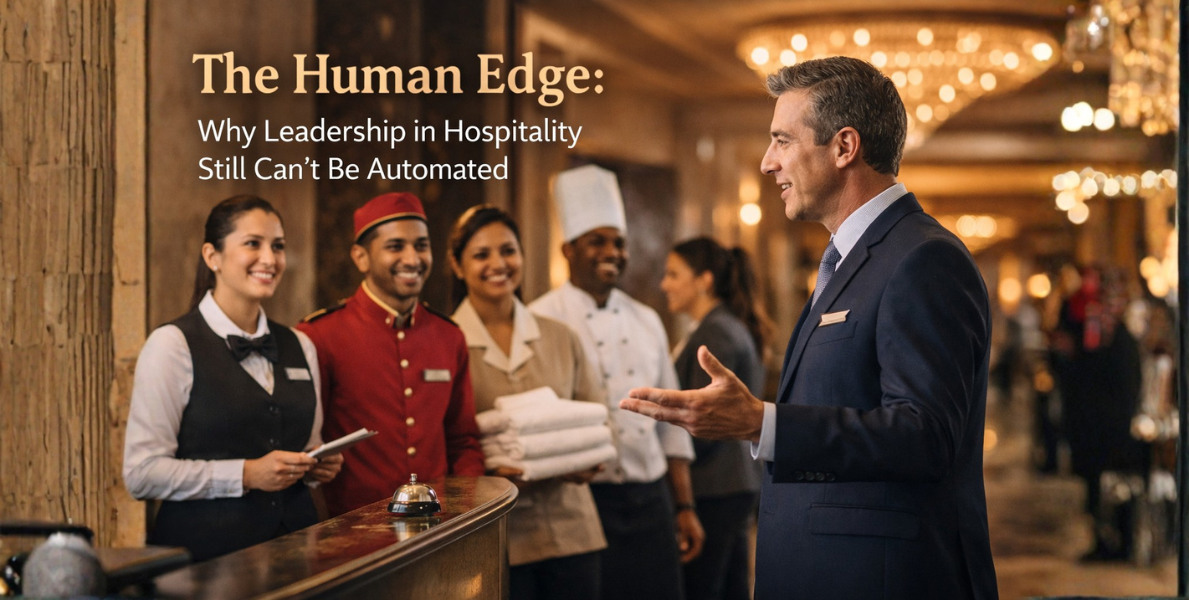
Leadership in hospitality depends on human qualities that technology cannot replace. Emotional intelligence enables leaders to connect meaningfully with both guests and teams, building trust, consistency, and collaboration. This emphasis on people-centric leadership is also reflected in professional education pathways such as the BSc in Hospitality and Hotel Administration, where interpersonal skills, service ethics, and real-world exposure are prioritised alongside operational knowledge.
Genuine connections are formed through authentic interactions and an understanding of individual preferences. Managing social dynamics requires judgement, empathy, and awareness, while creativity supports effective problem-solving. The personal touch in service continues to shape memorable experiences, reinforcing the idea that human engagement remains central even in an increasingly technology-driven industry.
The Importance of Emotional Intelligence in Hospitality Leadership
Emotional intelligence is a cornerstone of effective leadership in hospitality, an industry built on constant human interaction. Leaders who demonstrate emotional awareness are better equipped to navigate complex social environments, fostering trust and cooperation within teams. By understanding their own emotions and responding thoughtfully to others, they create conditions where high service standards can be sustained.
This capability is significant for professionals entering the field through applied learning routes, such as a diploma in hotel management in Kolkata, where leadership is developed through hands-on experience. Emotionally intelligent leaders are more effective at resolving conflict, managing pressure, and turning operational challenges into opportunities for growth. In doing so, they contribute to both employee satisfaction and guest loyalty.
Building Genuine Connections: The Heart of Exceptional Service
What makes a hospitality experience truly memorable is not efficiency alone, but the quality of human connection. When professionals prioritise genuine engagement, service moves beyond routine delivery. Guests feel recognised, understood, and valued, rather than processed.
Training approaches that emphasise empathy, active listening, and situational awareness prepare teams to respond appropriately to diverse guest needs. Technology can support this process by providing insight into preferences, but it is the human response that gives meaning to the data. This balance demonstrates why authentic service cannot be automated without losing its essence.
Navigating Complex Social Dynamics With Human Insight
Hospitality environments bring together people from varied backgrounds, cultures, and expectations. Leaders must interpret subtle cues, manage unspoken tensions, and adapt communication styles to maintain harmony. These demands require insight that technology cannot replicate.
Professionals trained through programmes such as the BSc hotel management course in Guwahati often develop this sensitivity through exposure to real service environments and multicultural interactions. Human insight allows leaders to anticipate issues, resolve misunderstandings, and foster inclusive spaces where both guests and staff feel respected and supported.
Creativity and Problem-Solving: The Human Advantage
Creativity and problem-solving are essential in an industry defined by unpredictability. From handling unexpected guest concerns to adapting operations during peak demand, hospitality leaders must respond quickly and thoughtfully. Human creativity enables leaders to redesign service experiences, motivate teams, and adapt processes without relying on rigid systems.
Problem-solving grounded in empathy ensures that solutions address not only efficiency but also emotional impact. This human advantage distinguishes meaningful service from purely functional service.
The Lasting Impact of Personal Touch on Guest Experiences
Despite rapid technological advancement, the personal touch remains critical to guest satisfaction. Remembering preferences, offering thoughtful recommendations, and responding with genuine care create emotional connections that encourage loyalty.
While technology can enhance awareness and efficiency, it cannot replace authenticity. Effective leaders integrate digital tools to support teams, not substitute them. By maintaining this balance, hospitality organisations preserve the human qualities that define exceptional service and long-term success.
Frequently Asked Questions
What Role Does Technology Play in Hospitality Leadership Today?
Technology supports efficiency and personalisation, but leadership still depends on empathy, judgement, and communication. The most effective leaders use technology to enhance, not replace, human interaction.
How Can Leaders Measure Emotional Intelligence in Their Teams?
Emotional intelligence can be assessed through observation, feedback, and reflective practices. Regular training and open communication further strengthen these capabilities.
What Are the Biggest Challenges Facing Hospitality Leaders Currently?
Leaders face rising costs, changing guest expectations, and workforce constraints. Maintaining service quality while managing these pressures requires adaptability and strong people management.
How Do Cultural Differences Affect Guest Interactions in Hospitality?
Cultural differences influence expectations, communication, and service perception. Leaders who understand these nuances deliver more inclusive and respectful experiences.
What Training Methods Strengthen Hospitality Leadership Skills?
Experiential learning, mentorship, cultural exposure, and scenario-based training help develop adaptable, empathetic leaders capable of managing real-world complexity.