
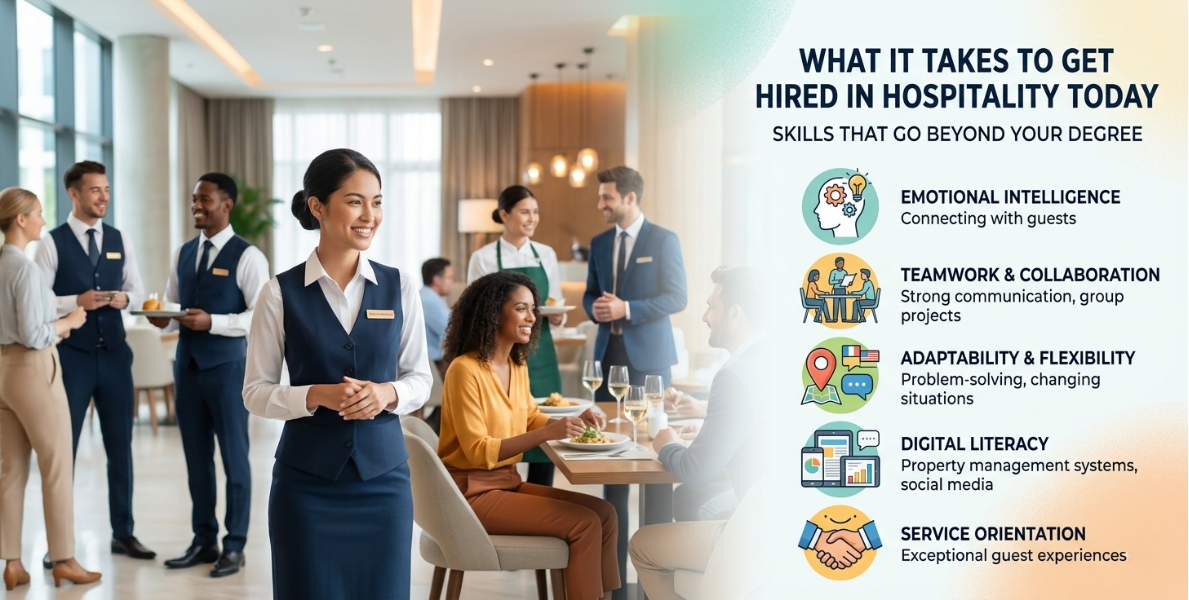
To succeed in today's hospitality industry, candidates must develop skills beyond their degrees. Adaptability is essential as the sector evolves rapidly due to changing technologies and consumer preferences. Strong interpersonal skills enable effective communication and foster connections with guests. Additionally, problem-solving skills are critical for addressing unexpected challenges.
To gain a global perspective and refine these traits, many students choose to enroll in an international hospitality course. Employers prioritize candidates demonstrating resilience and a proactive approach, highlighting the importance of these core competencies.
The Importance of Adaptability in Hospitality
As the hospitality industry continually evolves, adaptability emerges as an essential skill for professionals seeking success. Rapid changes in technology, consumer preferences, and economic conditions require individuals to adjust their strategies and approaches swiftly.
Those who can embrace new methods, tools, and trends often find themselves at the forefront of industry innovations. Additionally, adaptability fosters resilience, allowing professionals to navigate challenges such as staffing shortages or unexpected crises.
This flexibility not only enhances individual performance but also contributes to overall team effectiveness. Employers increasingly prioritize adaptable candidates who can thrive in dynamic environments.
Mastering Interpersonal Skills for Customer Engagement
While the hospitality industry thrives on exceptional customer experiences, mastering interpersonal skills is essential for effective customer engagement. Strong interpersonal abilities enable professionals to connect with guests on a personal level, fostering trust and loyalty.
Active listening, empathy, and clear communication are crucial components in understanding customer needs and preferences. By engaging with guests in a friendly manner, hospitality workers can create memorable interactions that enhance satisfaction.
Additionally, the ability to read non-verbal cues allows staff to respond appropriately, further improving the customer experience and promoting teamwork within the organization.
Problem-Solving: A Critical Skill for Success
Problem-solving stands out as an essential skill in the hospitality industry, where challenges can arise unexpectedly. Employees frequently encounter situations that require quick thinking and effective solutions, from handling guest complaints to managing operational issues.
To prepare for such environments, aspiring professionals often pursue a diploma course in culinary skills in Kolkata, where they develop practical decision-making abilities.
Successful professionals demonstrate the ability to analyze problems, evaluate options, and implement solutions efficiently. This proactive approach enhances guest satisfaction and contributes to a positive work environment.
Frequently Asked Questions
What Are the Most Common Entry-Level Positions in Hospitality?
Common entry-level positions include front desk agents, servers, bartenders, and housekeepers. These roles provide foundational experience and are essential for daily operations in hotels and restaurants.
For those interested in kitchen operations, a food production course in hotel management in Guwahati offers the technical training required for back-end roles.
How Important Is Prior Experience for Getting Hired in Hospitality?
Prior experience is valuable as it demonstrates familiarity with customer service and the fast-paced nature of the industry. While entry-level roles may not require it, experience provides a strong advantage.
What Certifications Can Enhance My Hospitality Job Prospects?
Certifications such as food safety training, CPR, First Aid, and hospitality management programs enhance employability. Specialized courses in event planning or hotel management also add value.
How Do I Effectively Network Within the Hospitality Industry?
Networking can be improved by attending industry events, joining professional groups, and engaging on platforms like LinkedIn. Building genuine relationships and maintaining communication are key.
What Role Does Cultural Awareness Play in Hospitality Hiring?
Cultural awareness helps professionals interact effectively with diverse guests. Employers value candidates who understand cultural differences, as it enhances service quality and guest satisfaction.